The Complete Lawn Care Guide for Small Suburban Yards
Managing a small lawn comes with unique advantages and distinct challenges. While you have less square footage to manage than large estate owners, small suburban yards require a high level of precision. Every missed spot, jagged edge, or patch of overgrown weeds is readily visible. Following a dedicated lawn care routine ensures your outdoor space remains clean, healthy, and vibrant throughout the growing season.
Understanding Your Yard's Unique Environment
Suburban yards often feature tighter spaces, fencing, and permanent fixtures like walkways, patios, and flower beds. Because these yards are compact, air circulation can sometimes be restricted, and shade patterns from surrounding houses or fence lines can create varied growing microclimates across your turf.
To manage a small space effectively, start by testing your soil's pH and nutrient levels. Knowing whether your turf needs balancing nutrients helps prevent unwanted weed growth and supports strong root systems. Additionally, monitor light exposure across different zones of your yard so you can tailor watering and fertilization appropriately.
Seasonal Lawn Maintenance Routines
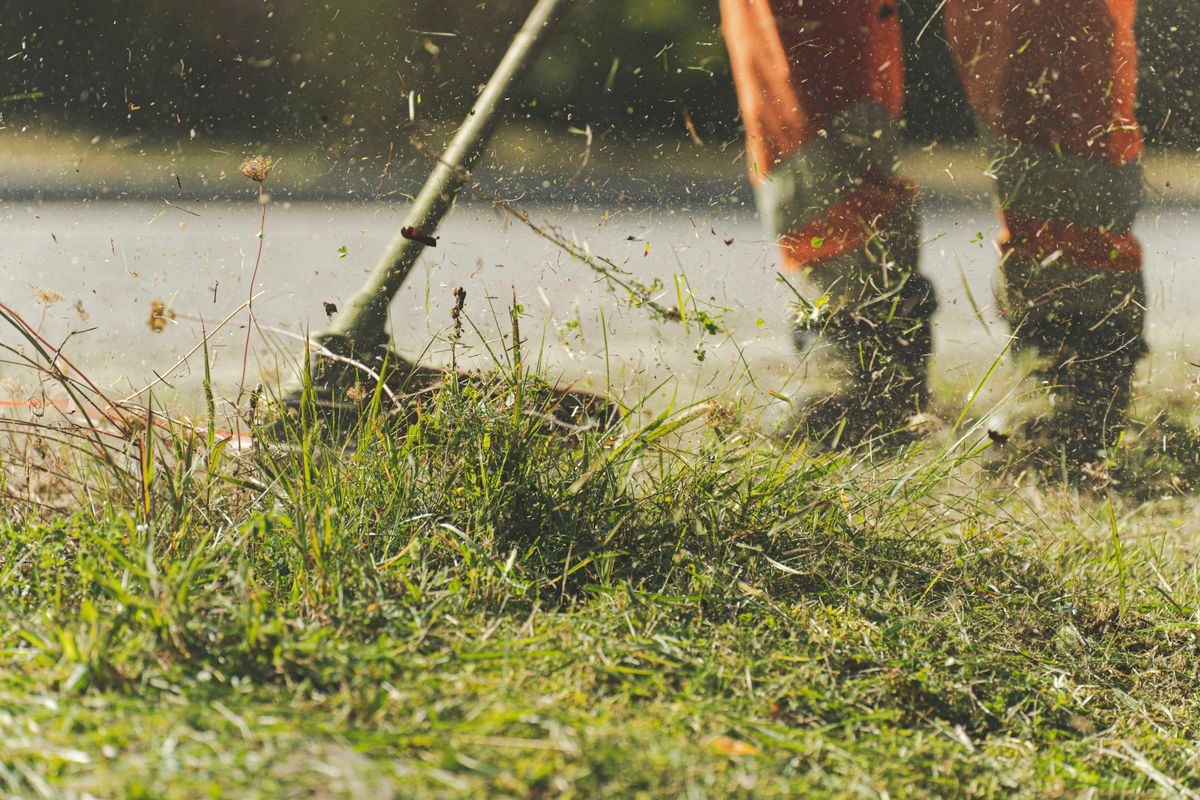
Photo by Pascal Küffer on Pexels
Maintaining a pristine lawn relies on consistent seasonal practices:
- Spring: Aerate compacted soil from winter foot traffic, apply pre-emergent weed controls if necessary, and perform your initial grass trim once growth begins.
- Summer: Mow at an elevated height to shelter soil moisture and shield roots from heat stress. Keep edge areas clean along walkways where heat radiates from concrete.
- Fall: Overseed bare spots, rake fallen foliage to prevent mold, and perform a final cleanup trim to prepare grass for colder weather.
Essential Tools for Efficient Lawn Maintenance
Because storage space in suburban homes is often limited, selecting multipurpose, compact outdoor tools is essential. A reliable setup generally includes a mower scaled for your yard size, a leaf management tool, and a versatile grass trimmer.
For smaller properties, equipment featuring a cordless design for maximum mobility eliminates the hassle of navigating extension cords around tight corners, fence posts, and landscape borders. Choosing battery-operated equipment also helps reduce equipment footprint in your garage or shed.
Precision Edging and Trimming Strategies

Photo by Bulat843 🌙 on Pexels
Achieving a professional-looking yard requires paying attention to hard-to-reach areas where traditional mowers cannot operate, such as along fence lines, garden retaining walls, and driveway margins.
Keeping Your Lawn Health Strategy Sustainable
Suburban neighborhoods often feature houses situated close together, making operational footprint an important factor. Choosing equipment with low noise operation prevents disruption to neighbors during early morning or evening lawn care sessions. Moreover, proper turf management—such as deep, infrequent watering and sharp cutting blades—keeps grass healthy while reducing water waste and excessive fertilizer reliance.
Related in this cluster
- How to Cleanly Edge Lawn Lines in Compact Suburban Spaces
- Gas vs Battery String Trimmers for Small Suburban Yards
- Solving Small Yard Trimming Challenges with the ALSO GO Trimmer
- Suburban Lawn Maintenance FAQ: Trimming, Noise, and Tools
- 5 Essential Seasonal Lawn Care Tips for Suburban Homeowners
- Choosing the Right Trimmer for Hard-to-Reach Lawn Areas
Cover photo by Anete Lusina on Pexels.